
 Tiếng Việt
 한국어
 日本語
Article· Updated November 12, 2026
Cold Storage, Cool Storage Or Dry Storage: What Goods Suit Each
On this page
This guide helps you match each group of goods to the right storage type: cold storage for goods that must be frozen, cool storage for goods that suffer in heat and humidity but must not freeze, and dry storage for goods that are not heat-sensitive. If you already know you need cool storage and only want prices and unit sizes, go straight to climate-controlled storage prices by unit size.
When choosing between cold storage and cool storage for goods, there are many factors to consider beyond basic temperature differences. MyStorage offers both cold and cool storage rentals, each with its own applications and advantages. Below are some key differences between these two types of storage, along with information about MyStorage’s services.
1. Cold, Cool And Dry Storage Temperatures
Cold storage holds temperatures below 0 °C, usually -18 °C to 0 °C, for frozen goods; MyStorage’s cool, climate-controlled storage holds 15 °C to 25 °C by air conditioning for goods that need to stay cool and dry; dry storage runs at ambient temperature and suits dry household items and files.
- Cold Storage: Cold storage maintains extremely low temperatures, usually below 0°C. These conditions are ideal for products that must be frozen or kept in a cold environment to preserve their quality.
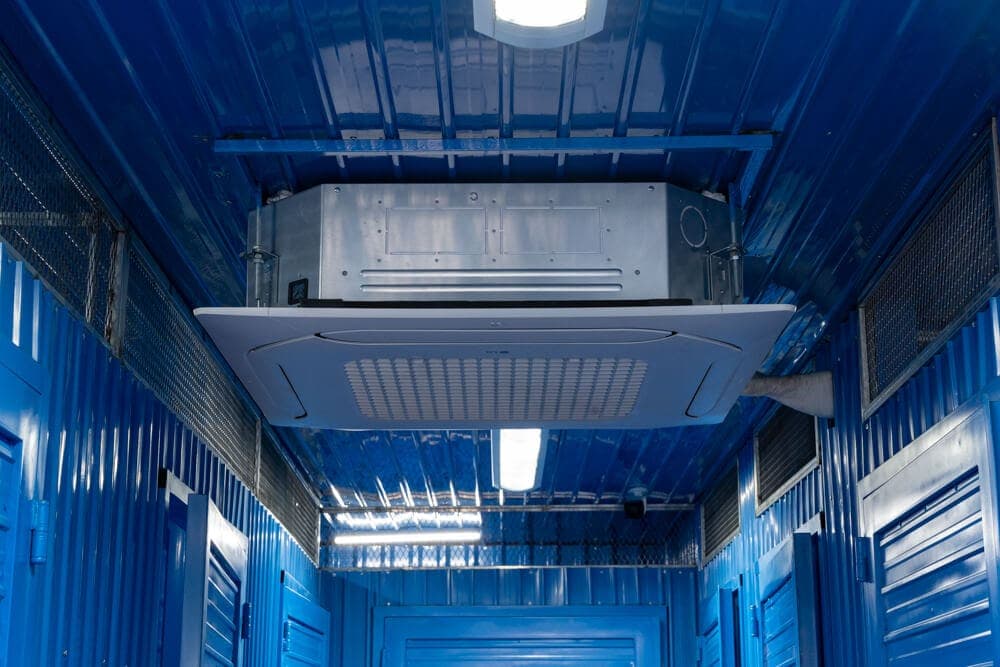
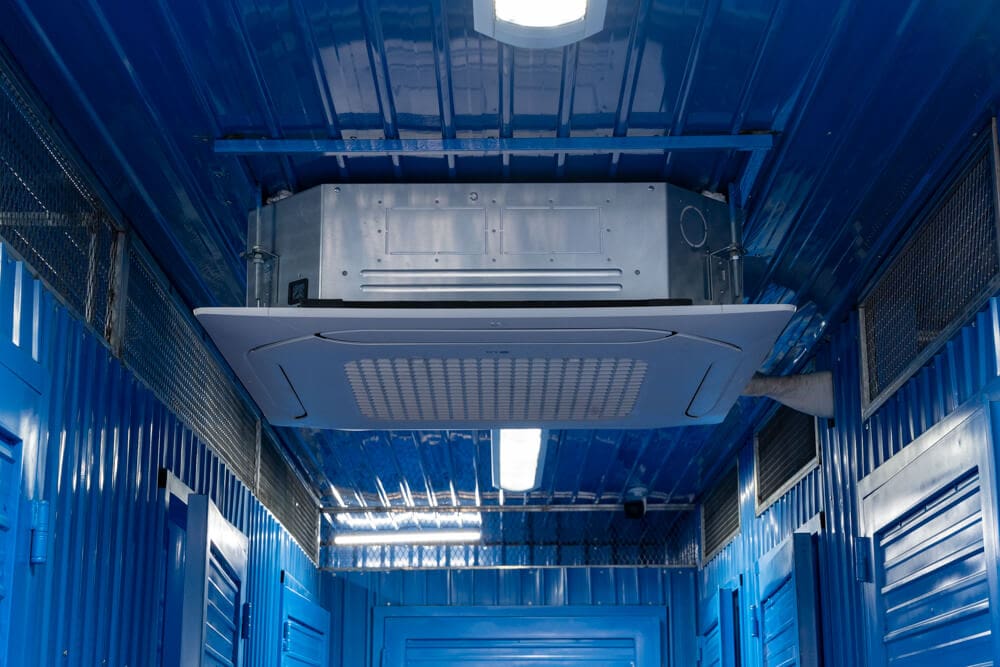
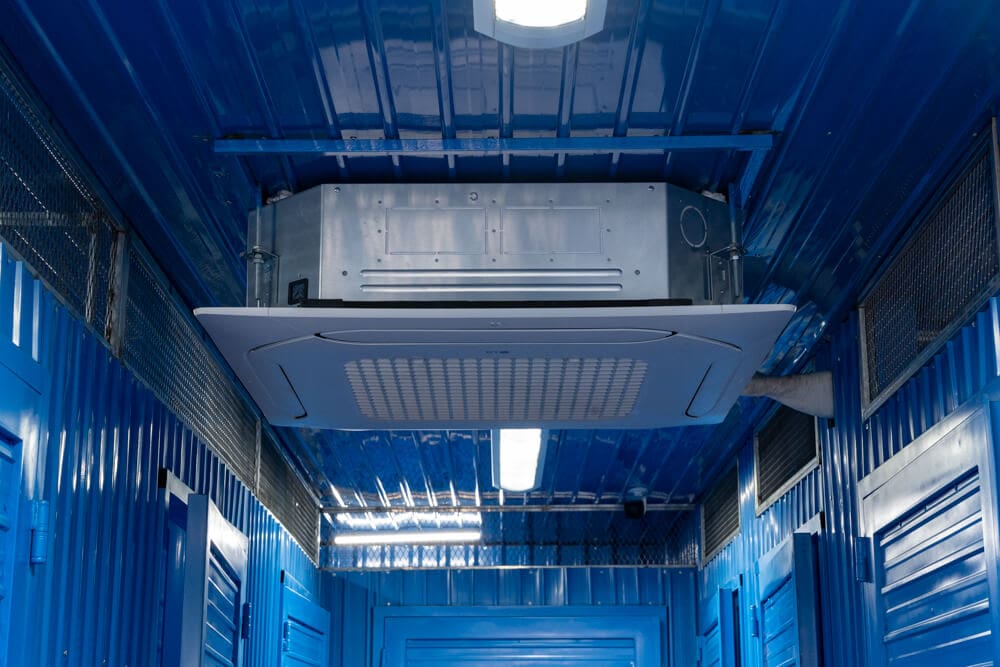
- Cool Storage: MyStorage’s cool storage facilities use air-conditioning systems to maintain temperatures between 15°C and 25°C.
| Storage type | Temperature | Suits | Does not suit |
|---|---|---|---|
| Cold storage (frozen) | Below 0 °C, usually -18 °C to 0 °C | Seafood, meat, frozen vegetables, dairy, ice cream | Wine, cosmetics, leather, wood, electronics |
| Cool, climate-controlled storage | 15 °C to 25 °C with dehumidifiers | Wine, cosmetics, packaged supplements, leather, wood, cameras, paper documents | Goods that must be frozen for food safety |
| Dry storage (ambient) | Ambient temperature | Household items, suitcases, tools, canned goods, files that are not moisture-sensitive | Goods that melt, go mouldy or are heat-sensitive |
2. Which Business Goods Belong In Cold Storage
Cold storage is for goods that spoil without freezing: seafood, meat and poultry, frozen vegetables, dairy and ice cream.
Specialized cold storage is commonly used for goods that require temperatures from -18°C to 0°C, helping preserve quality and extend shelf life:
- Fresh seafood (shrimp, fish, crab, squid, oysters, clams…): spoils easily without rapid freezing and requires cold storage to retain freshness and nutritional value.
- Meat and poultry (beef, pork, chicken, duck…): must be kept in cold storage to prevent bacterial growth and ensure food hygiene and safety.
- Frozen fruit and vegetables (corn, peas, potatoes, leafy greens…): cold storage preserves their nutrients, color, and flavor until they reach the market.
- Milk and dairy products (fresh milk, cheese, butter, yogurt…): require cold storage to prevent spoilage and deterioration.
- Ice cream and frozen desserts: always require subzero temperatures to maintain their texture and flavor.
- Ingredients for industrial food processing: frozen semi-finished products (dough, sauces, pastry fillings…) must be kept cold before production.
- Imported or premium fresh flowers: some flowers require cold storage to remain fresh for longer during transportation.
- Biotechnology products (test samples, biological materials, stem cells…): must be kept cold to maintain stability and quality.
3. Which Business Goods Belong In Cool Storage
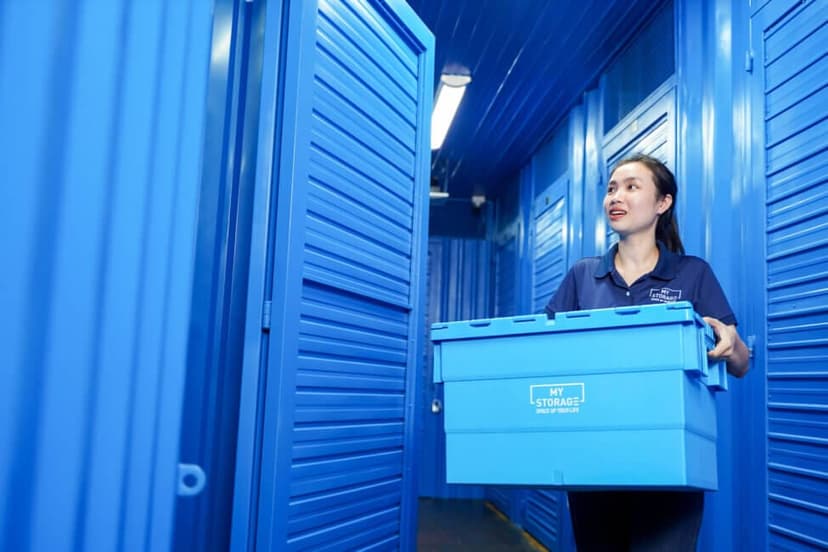
Climate-controlled cool storage is for goods that must not freeze but spoil in heat and humidity: wine, cosmetics, packaged supplements, leather, wood, electronics and paper documents.
Hot weather in Hồ Chí Minh City lasts almost year-round, so certain goods must be kept in cool storage with air-conditioning systems that regulate temperature and accurately measure humidity, preserving their quality until they reach consumers.
- Beauty products (moisturizers, makeup tools, face masks, perfumes,…): these products can easily deteriorate or separate. Without humidity control, bacteria or mold may develop and cause harmful skin reactions.
- Household chemicals (soap, shampoo, body wash, dishwashing liquid, floor cleaner, laundry detergent,…): high temperatures can affect their chemical composition, reducing product effectiveness and lifespan while potentially harming consumers.
- Pharmaceuticals and medical equipment: according to experts, heat can alter medicines. Although the difference may not be visible to the naked eye, it can seriously harm health and may even cause dangerous drug reactions. Some medical instruments and equipment must also be stored at suitable temperatures to ensure accuracy.
- Soft drinks and shelf-stable boxed milk: keeping these products in cool storage helps preserve their quality.
- Dry foods, canned foods, and confectionery: high temperatures can cause dry foods and confectionery to melt, deteriorate, or lose their original flavor.
- Electronic equipment: machinery, components, and electronic circuits that are sensitive to temperature:
- Furniture and wooden equipment: high humidity and temperatures can encourage termites, bacteria, mold, and insects, causing furniture to decay.
Comparing Costs, Management, and Environmental Impact of Cold and Cool Storage
Choosing between cold and cool storage in Ho Chi Minh City depends not only on the goods being stored, but also on costs, management requirements, and environmental impact.
Operating costs: Cold storage costs more because it must maintain extremely low temperatures, relies on complex refrigeration systems, consumes substantial electricity, and requires costly equipment maintenance. In contrast, cool storage uses simpler air-conditioning systems and less electricity, making it more affordable and suitable for goods that do not require deep-freeze conditions.
Management & maintenance: Cold storage requires stricter standards because even a minor incident, such as a refrigerant leak or equipment failure, can damage all stored goods. Cool storage is easier to manage because its temperature requirements are less stringent, although regular inspections are still necessary to protect product quality.
Environmental impact: Cold storage consumes more energy and contributes to greater greenhouse gas emissions. Cool storage is more environmentally friendly because it uses less energy and reduces adverse impacts on the surrounding environment.
Overall, cold storage is suitable for temperature-sensitive goods requiring strict preservation conditions, while cool storage is a more economical and sustainable option for ordinary goods.
4. Advantages Of Cool Storage At MyStorage
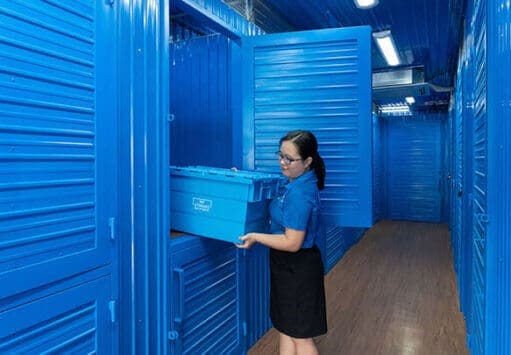
MyStorage cool storage gives you a private locked unit, air conditioning at 15 °C to 25 °C with dehumidifiers, 24/7 access and a monthly or annual contract.
MyStorage offers two temperature-controlled storage models:
Cold Storage: maintains temperatures below 0°C and is suitable for frozen foods and pharmaceuticals.
Cool Storage: maintains temperatures of 15–25°C, with both self-managed mini storage and full-service storage options suitable for cosmetics, food, and e-commerce goods.
Outstanding quality
The quality shows in the details: certified cooling units, precise temperature control, 24/7 security with cameras and alarms, and regular cleaning that keeps the space safe and hygienic.
Standard-compliant air-conditioning with precise temperature control.
24/7 security with cameras, alarms, and motion detectors.
Regular cleaning to maintain a safe and hygienic environment.
Reasonable rental rates
This article is about choosing the right storage type for each group of goods. The full price list by unit size, the self-storage versus shared-shelf comparison and the price tool are in climate-controlled storage prices by unit size.
Transparent, competitive storage rental costs with no hidden fees.
Flexible storage rental plans by the week, month, or long term.
Maximum savings for individuals and businesses.
Serving a wide range of customers
Small and medium businesses use it for stock, individuals for food, medicine and cosmetics, and e-commerce sellers to keep products in good condition before delivery.
Small & medium-sized businesses: goods storage and short-term storage.
Individuals: storage for food, medicines, and cosmetics.
E-commerce: keeping products in good condition before delivery.
MyStorage provides high-quality cool and cold storage at reasonable prices with professional support, giving customers complete peace of mind.
5. Phùng Thị And Eddie’s Wine Brands Use MyStorage Cool Storage
The wine brands Phung Thi and Eddie’s keep their stock in MyStorage cool storage to protect wine quality in Ho Chi Minh City’s hot, humid climate.
Phùng Thị and Eddie’s have trusted MyStorage with their storage needs
Thanks to stable temperatures, clean and well-ventilated facilities, and high security, MyStorage’s cool storage is especially popular with wine, plum wine, and spirits brands. Most recently, Phùng Thị Wine also entrusted MyStorage with storing its products before they reach customers.
Every Christmas, Eddie’s Restaurant needs to store hundreds of kilograms of frozen turkey in MyStorage’s cold storage (-18°C/-1°F) and have them delivered to one of its three restaurants with 24 hours’ notice. The MyStorage team collects the pallets from the supplier, transports them to our cold storage facility, and keeps them ready for distribution whenever needed.
MyStorage provides cold and cool storage services to meet customers’ diverse needs. Understanding the differences between the two helps you choose the right type of storage and find a suitable cold storage rental company to preserve goods efficiently while saving costs.
This article is part of the MyStorage cold storage cluster. The overview of storage types, providers and how to choose one is in the guide to cold storage rental in Ho Chi Minh City.
6. Frequently Asked Questions About Cold, Cool And Dry Storage
These answers cover the temperatures, the goods each type suits and what each one costs.
What temperature do frozen seafood and meat need?
Seafood, meat and poultry need freezing at around -18 °C to hold their structure and limit bacteria, while chilled goods such as fresh milk and cheese usually sit at 0 °C to 5 °C. The exact temperature depends on the product and the food-safety rules that apply, so confirm it with the warehouse operator before you store.
What conditions does wine need?
Wine is damaged by heat and by swings in temperature, not by a lack of freezing. A steady cool environment away from light and vibration is enough; freezing wine can crack the bottle and push the cork out. That is why the wine brands Phung Thi and Eddie’s keep their stock in MyStorage cool storage.
Which goods should not share a unit?
Keep strong-smelling goods (coffee, spices, cleaning chemicals) away from wine, tea, cosmetics and fabric, because the second group absorbs odours. Do not store food alongside wood or paper either, to avoid pests and mould.
What does dry storage suit?
Household items, suitcases, tools, canned goods and files that are not moisture-sensitive. It is the cheapest option and works when goods do not melt, go mouldy or react to heat.
Does dry storage need a dehumidifier?
In Ho Chi Minh City’s hot, humid climate dry storage should at least be well ventilated, and you should put desiccant packs in each box of books, clothes or leather. If your goods are moisture-sensitive and only dry storage is available, pack them more carefully and check them regularly.
Does frozen cargo need a refrigerated vehicle?
Frozen goods need a refrigerated truck and as little time outside the cold chain as possible, because every thaw-and-refreeze cycle costs quality. Goods that only need to stay cool can travel in a normal vehicle over short distances if they are insulated.
How do I tell whether my goods need cold, cool or dry storage?
Look at what spoils them: if microbes are the risk and freezing is required, choose cold storage; if heat and humidity are the risk but freezing would damage them, choose cool storage; if they do not melt, go mouldy or react to heat, dry storage is enough and cheapest. The table at the top of this article lists the goods in each group.
Do goods in cool storage need insurance?
It is not compulsory. Consider it for high-value stock or long storage, because mould damage usually sits in the exclusions of an insurance policy. See do you need insurance when storing goods in a warehouse.
Related articles

Article
What Is A Fulfillment Warehouse? Functions, Process And Operating Models
A fulfillment warehouse receives goods, stores them, picks, packs, hands parcels to carriers and processes returns for online sellers; unlike self-storage, where the owner stores and packs…
Read article

Article
Popular Decluttering Methods: Should You Choose KonMari, 4 Boxes Or 20/20?
There is no single best decluttering method: KonMari suits a full reset, the 4-box method suits beginners tidying room by room, the 20/20 and 90/90 rules speed up decisions, the 5-minute…
Read article

Article
Storage for Students: Lockers and Monthly Self-Storage Explained
Students storing a backpack or small suitcase for a few days should use a locker; for the summer break, Tet or a room move with many boxes, a monthly self-storage unit from 1 m³ with air…
Read article
